Advancing Technical Knowledge in Natural Gas Processing
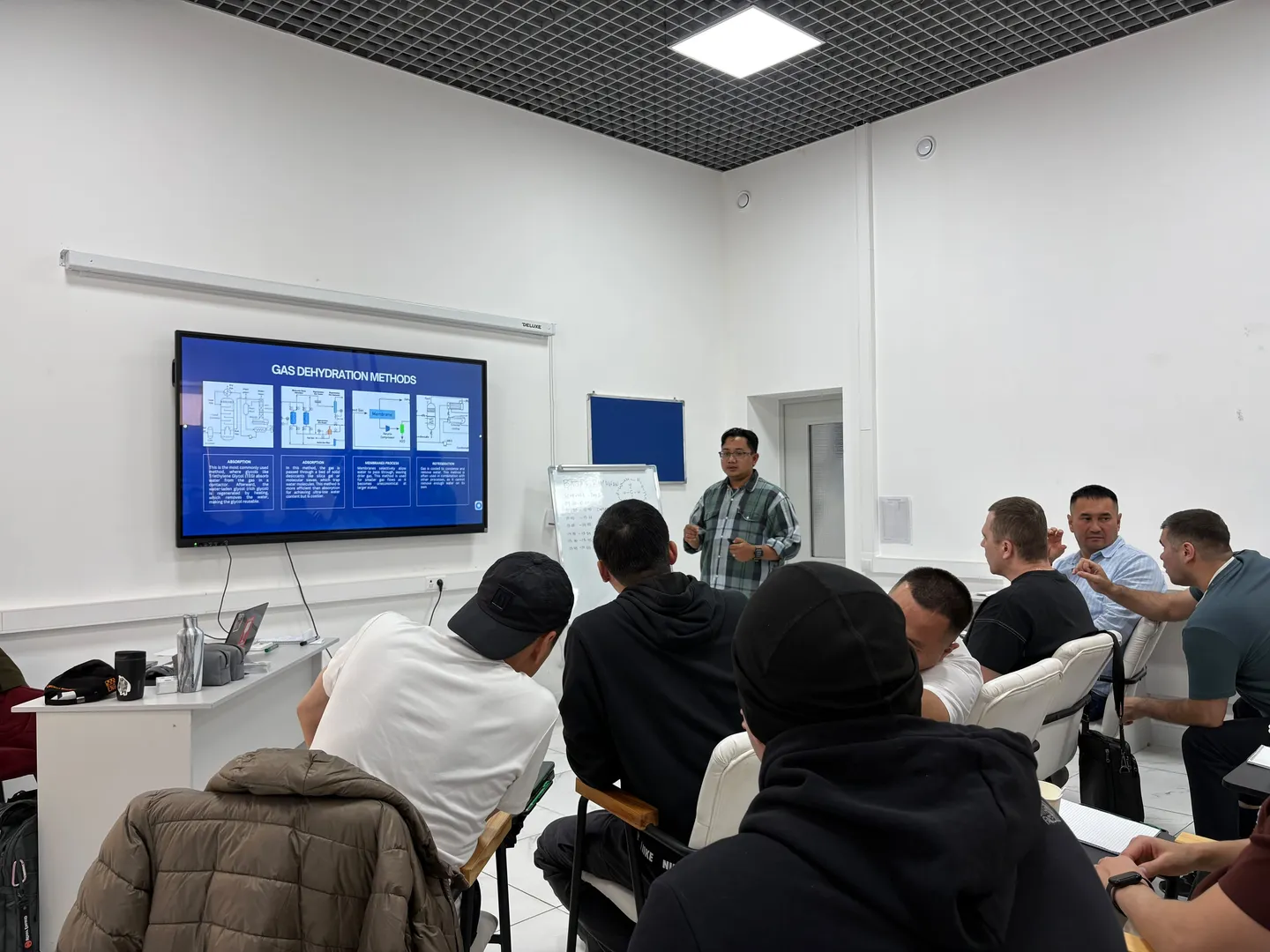
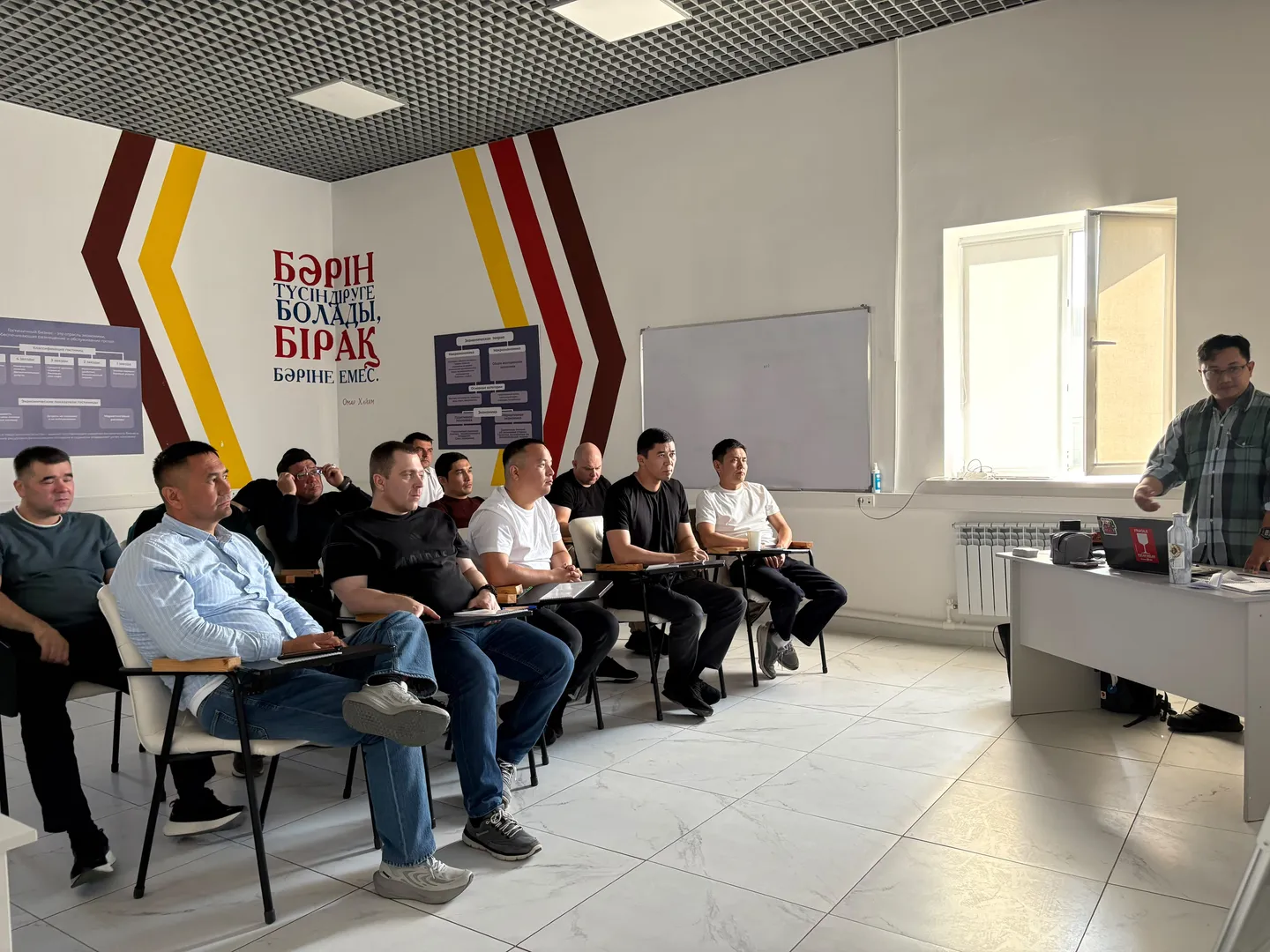
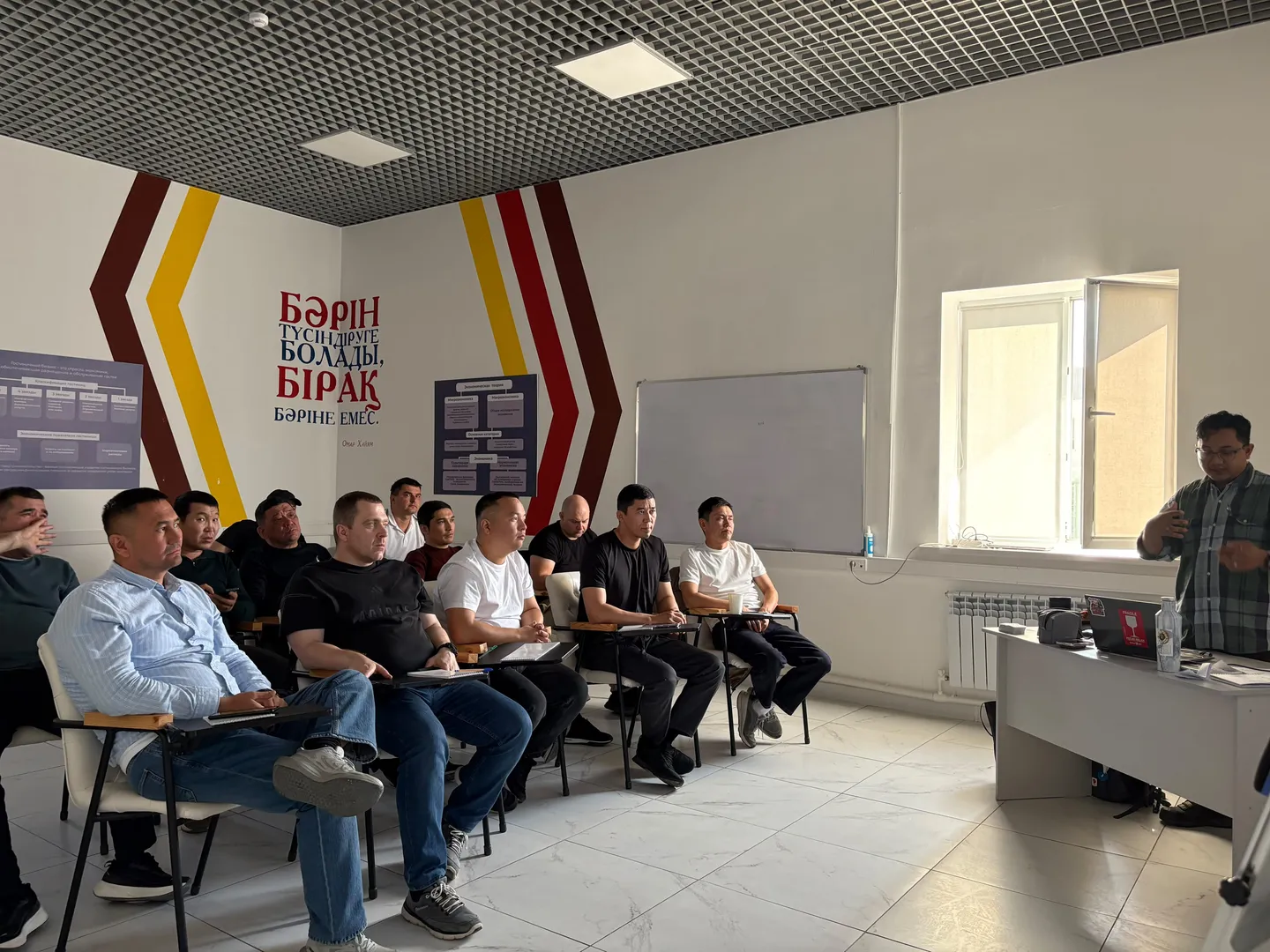
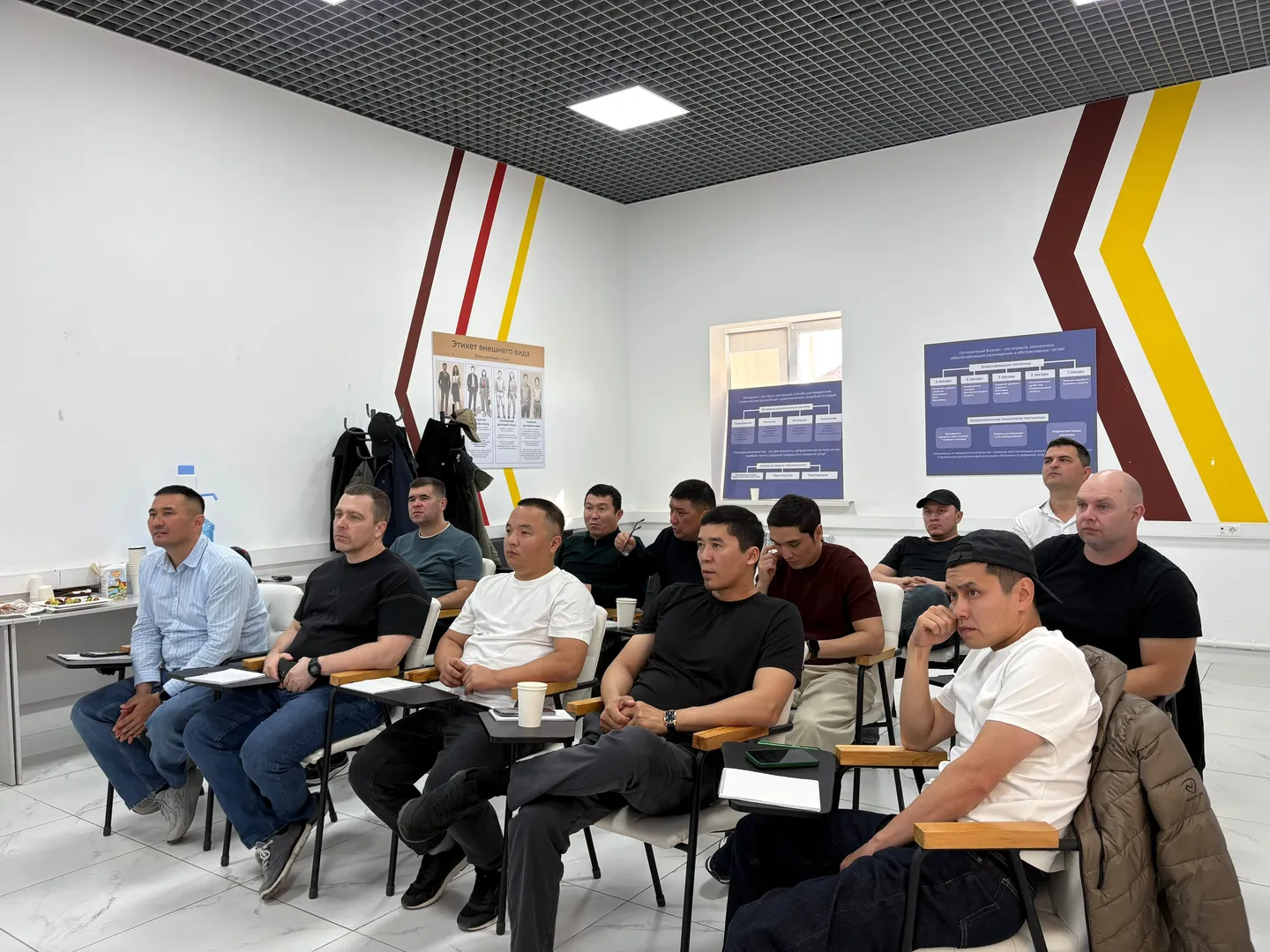
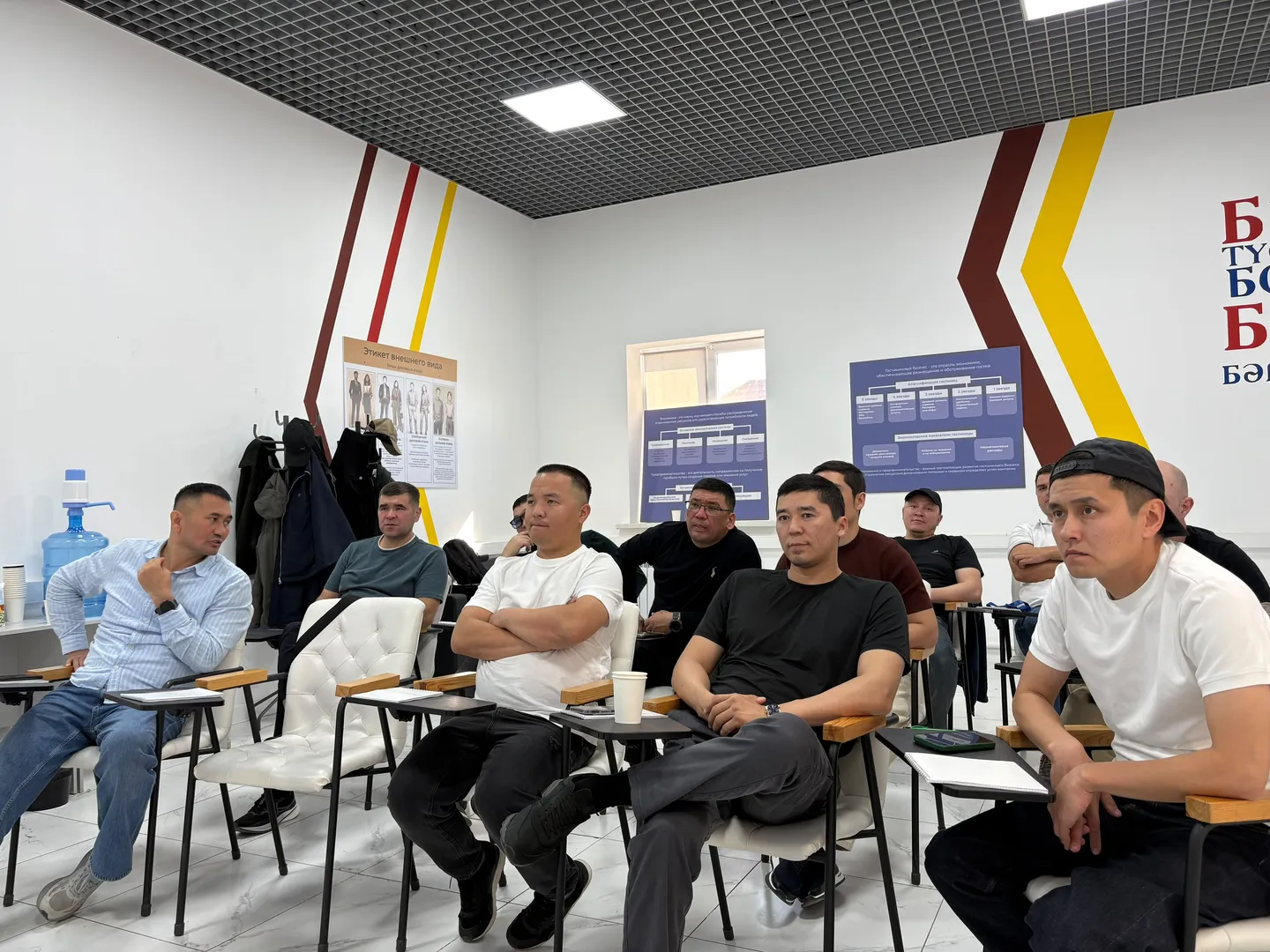
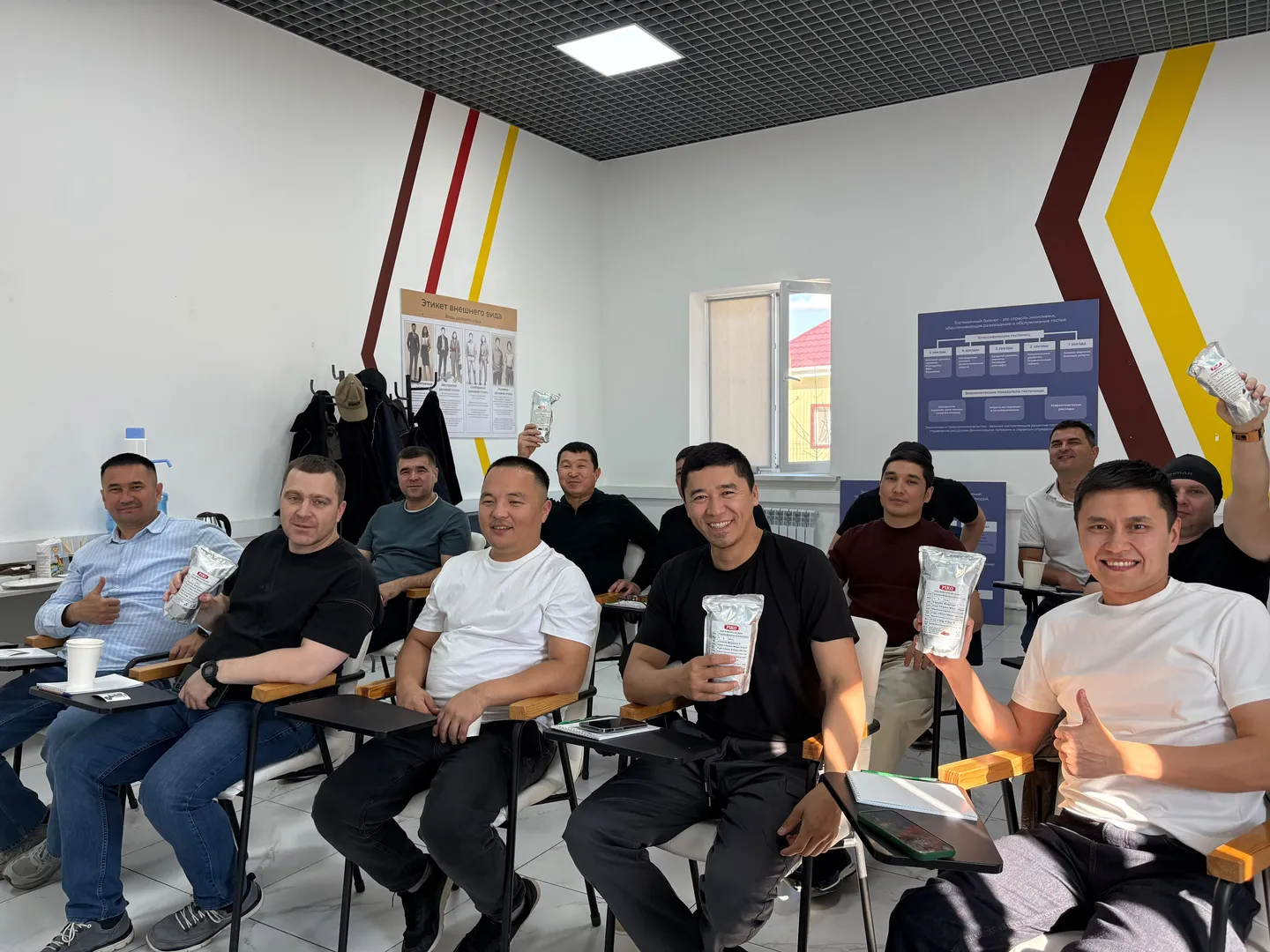
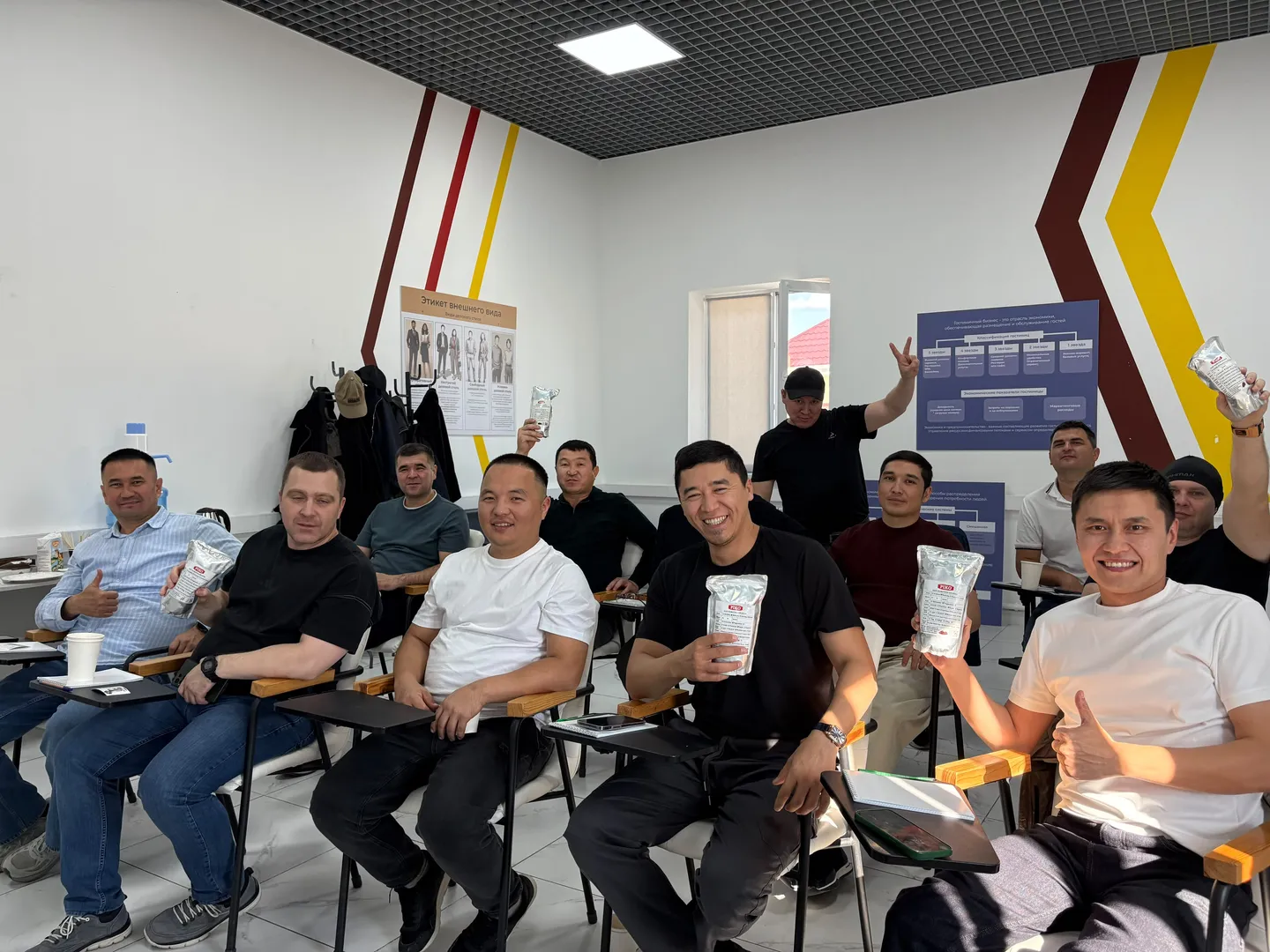
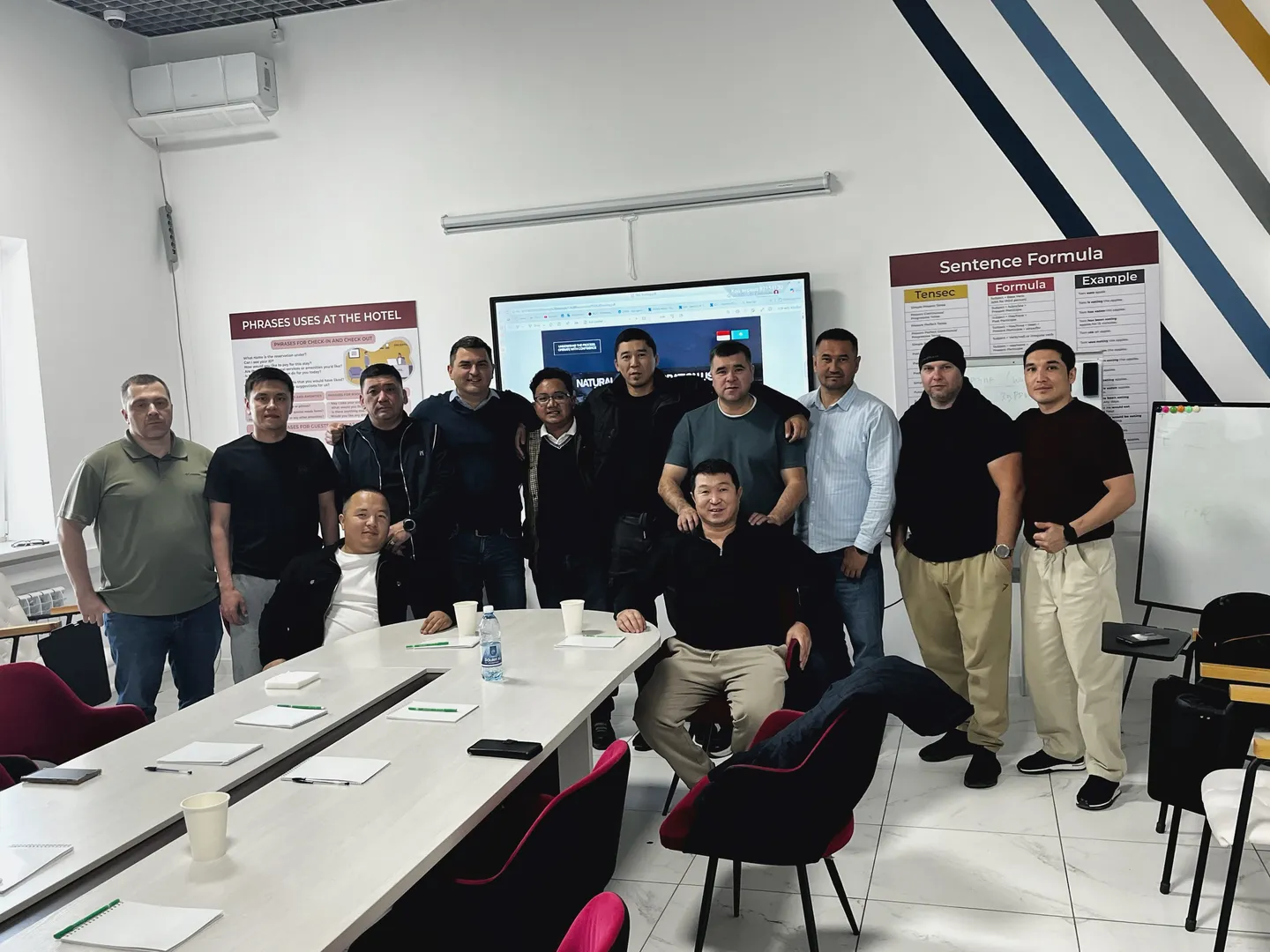
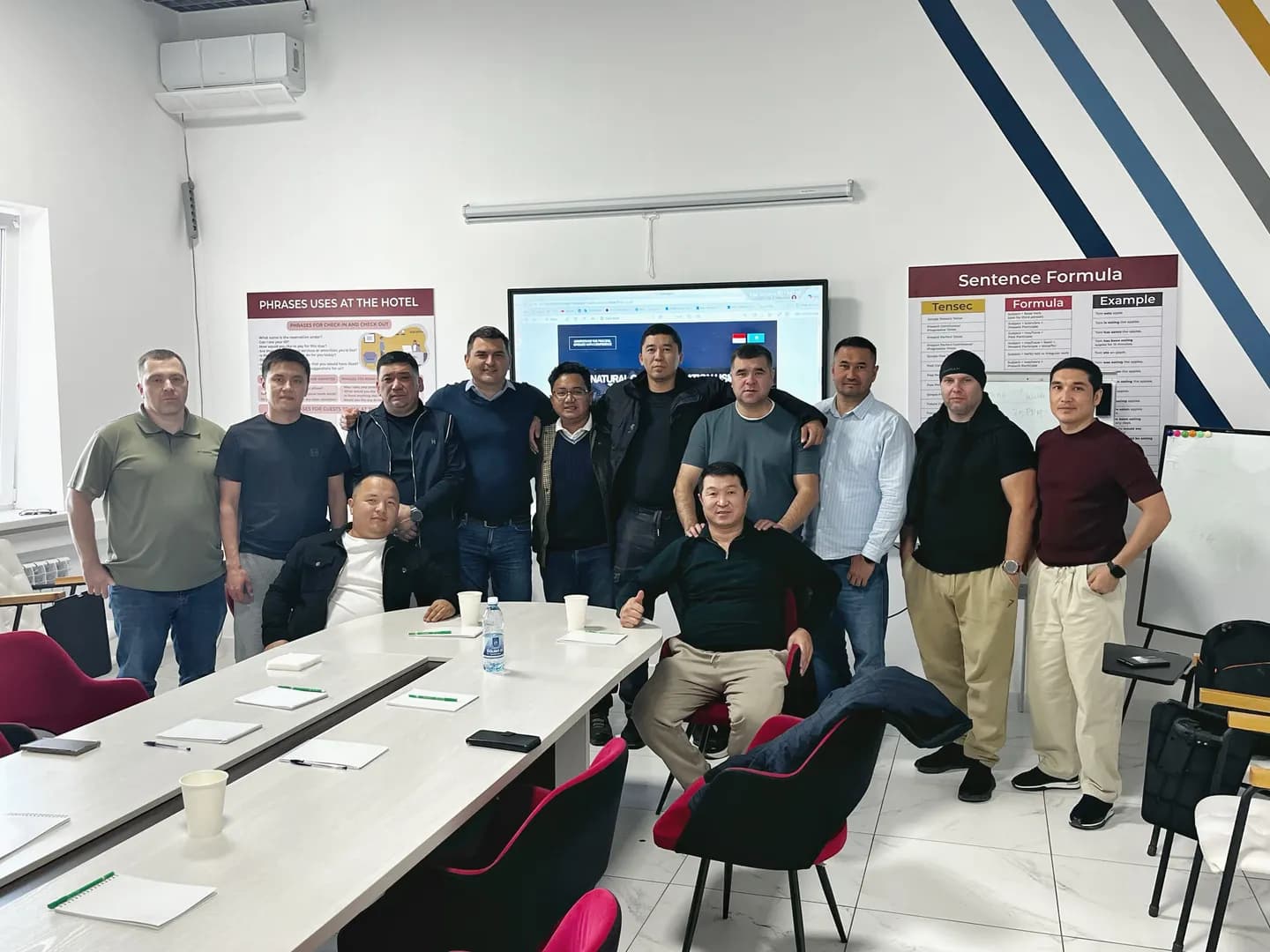
In October 2026, I had the opportunity to deliver a technical training course on Triethylene Glycol (TEG) Dehydration in Atyrau, Kazakhstan. The program brought together oil and gas professionals for an intensive learning experience focused on the principles, operation, and optimization of glycol dehydration systems in natural gas processing facilities.
From Process Fundamentals to Operational Practice
The training covered the fundamental principles of natural gas dehydration, the role of TEG in removing water from natural gas, and the key equipment involved in the dehydration and glycol regeneration processes. Participants explored important operating parameters, process performance, and the relationship between dehydration efficiency and overall gas quality.
Particular emphasis was placed on understanding how operating conditions influence system performance, including glycol circulation rate, reboiler temperature, lean glycol concentration, and stripping gas operation. These topics provided a foundation for interpreting operating conditions and identifying potential causes of dehydration performance issues.
Connecting Theory with Field Operations
Beyond theoretical concepts, the course encouraged participants to connect process knowledge with practical operating scenarios. Discussions focused on understanding process behavior, recognizing deviations from normal operating conditions, and approaching troubleshooting systematically.
By relating engineering principles to operational challenges, the training aimed to strengthen participants’ ability to understand their equipment, interpret process parameters, and make informed operational decisions.
A Valuable International Training Experience
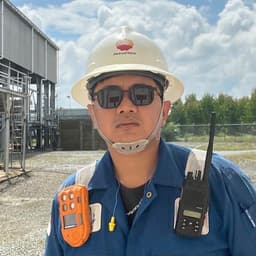
Delivering this training in Atyrau was a meaningful milestone in my professional journey as an oil and gas operations professional and technical trainer. Working with participants from an international energy industry environment provided an opportunity to exchange knowledge, discuss operational experiences, and learn from different perspectives.
I am grateful for the opportunity to contribute to technical knowledge sharing and professional development within the energy sector. This experience further strengthened my commitment to bridging the gap between process engineering concepts and the practical realities of oil and gas operations.
Training photos